
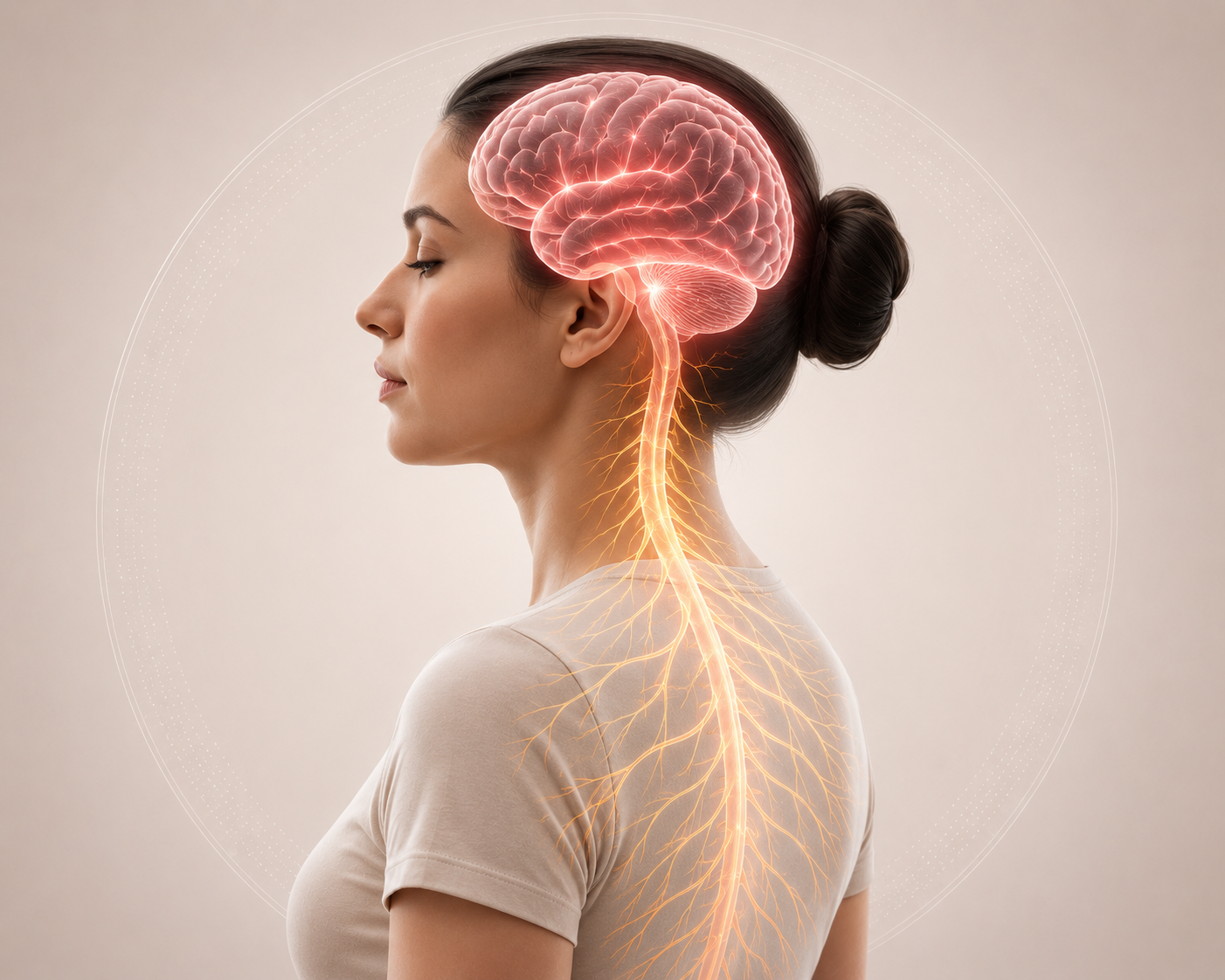
Neurology in Lahore – Brain & Nerve Care at Pak Hospital
Headaches, dizziness, numbness, seizures, and muscle weakness can sometimes indicate problems affecting the brain or nervous system. At Pak Hospital Lahore, patients experiencing neurological symptoms can receive medical assessment and guidance regarding appropriate investigations, treatment, and specialist consultation.
Located at 33-K Shah Jamal, Lahore, Pak Hospital is a 50-bed multispecialty healthcare facility offering medical consultations, laboratory investigations, inpatient care, and 24/7 emergency services.
Neurology Services in Lahore
Neurology focuses on diagnosing and managing disorders affecting the brain, spinal cord, peripheral nerves, and muscles. Common neurological conditions include:
- Migraine and Chronic Headaches: Recurrent headaches that may cause nausea, sensitivity to light, and difficulty performing daily activities.
- Stroke: A medical emergency caused by interrupted blood supply to the brain or bleeding within the brain.
- Epilepsy and Seizures: Conditions involving abnormal electrical activity in the brain that may cause involuntary movements, altered awareness, or loss of consciousness.
- Parkinson’s Disease: A progressive neurological condition associated with tremors, muscle stiffness, and slow movement.
- Peripheral Neuropathy: Nerve damage that may cause numbness, tingling, burning sensations, or weakness, particularly in the hands and feet.
- Multiple Sclerosis: An immune-mediated neurological disease that may affect vision, sensation, movement, and balance.
- Dementia and Memory Problems: Conditions involving progressive difficulties with memory, thinking, or everyday functioning.
- Vertigo and Balance Disorders: Problems causing dizziness, spinning sensations, or difficulty maintaining balance.
Diagnosis and Treatment of Neurological Disorders
Neurological assessment begins with a medical history and examination of muscle strength, reflexes, sensation, coordination, and balance.
Depending on the patient’s symptoms, investigations may include:
- Blood tests to identify underlying medical conditions
- CT scans or MRI when clinically indicated
- Electroencephalography (EEG) for selected seizure disorders
- Nerve conduction studies (NCS) and electromyography (EMG) for certain nerve and muscle conditions
Pak Hospital provides laboratory services to support medical assessment. Advanced neurological investigations may require referral to an appropriately equipped diagnostic facility.
Treatment depends on the diagnosis and may involve prescribed medication, lifestyle changes, rehabilitation, and specialist follow-up.
When Should You Consult a Neurologist?
Consider neurological assessment if you experience persistent headaches, unexplained weakness, recurrent seizures, numbness, tremors, memory difficulties, or problems with balance and coordination.
Early medical assessment can help identify the underlying cause and guide appropriate treatment.
Seek immediate emergency care for sudden facial drooping, arm weakness, difficulty speaking, sudden vision loss, a seizure lasting five minutes or longer, or an unusually severe sudden headache.
Pak Hospital Lahore provides 24/7 emergency medical assessment. Patients requiring advanced stroke treatment or neurosurgical intervention may need transfer to a specialised centre.
Neurology and Rehabilitation Support
Some neurological conditions require ongoing treatment and rehabilitation. Physiotherapy may help selected patients improve movement, strength, balance, and functional independence after neurological illness.
Treatment plans depend on the patient’s condition and recommendations from the treating medical team.
Frequently Asked Questions
What does a neurologist treat?
A neurologist specialises in conditions affecting the brain, spinal cord, and nerves, including migraine, epilepsy, Parkinson’s disease, neuropathy, and other neurological disorders.
Can migraine be treated?
Yes. Migraine symptoms can often be managed through appropriate medication, identification of triggers, and preventive treatment when necessary.
Is numbness in the hands or feet a neurological problem?
Numbness may result from nerve compression, diabetes-related neuropathy, vitamin deficiencies, or other conditions. Persistent symptoms should be medically assessed.
Book a Neurology Consultation at Pak Hospital Lahore
If you are experiencing headaches, dizziness, nerve pain, muscle weakness, or other neurological symptoms, contact Pak Hospital for medical assessment and information about neurologist availability.